YOGA BLOG
What Moves Us…..

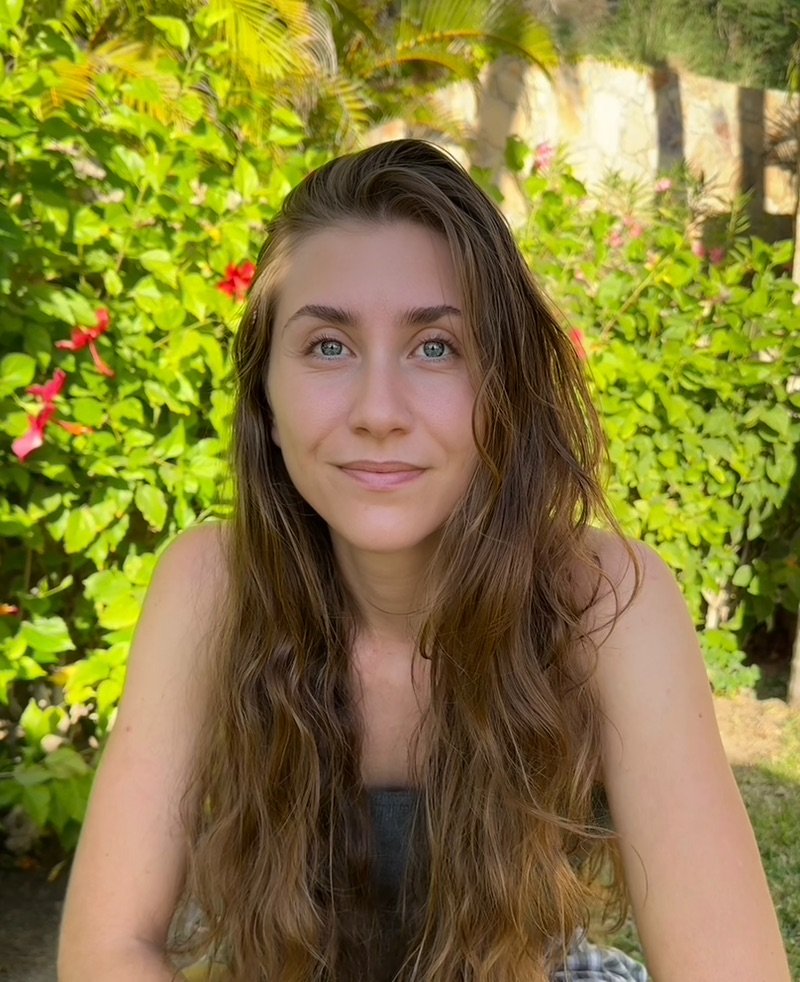
Staff Spotlight: Charlotte Von Hemert
Nest Staff Spotlight is our way to show appreciation to our teachers and to help our community connect. This week on Nest Staff Spotlight we learn a little more about Charlotte. Charlotte’s yoga journey began 20 years ago as a dancer. Burnout from a fast paced life and chronic health issues, Charlotte returned to yoga for healing. She has completed over 1000 hours of yoga teacher trainings with instructors such as Richard Rosen, Mary Paffard and Kia Miller. Read more to learn about Charlotte!
Tell us about yourself. Anything you want the Nest Community to know.
I’m really grateful to be part of the Nest community. I first started coming to the studio as a student of the amazing, Richard Rosen. I was not only blown away by the class, but I felt at home and loved the sweet connections I made with students before and after class. Nest truly is such a special and unique community and I’m grateful to be a student and a teacher here.
What are you currently reading, watching or listening to?
I’m currently reading the Bhagavad Gita. The reading is for the newly formed, Yoga Nerd Book Club that I’m in (if you’re a sincere Yoga Nerd and are interested in joining, come find me to learn more about it). I’m currently watching lectures by Joe Dispenza, who is exploring using principles of quantum physics to ignite powerful transformations in the body-mind. I’m listening to lots of ambient “yoga music”, some melancholy indie rock, and some international beats.
What would you like the community to know about your classes, teaching style or you?
Well, I love yoga-- and many forms of yoga including hatha flow, yin yoga, and kundalini yoga. I practiced yoga for many years, but didn’t truly fall in love with yoga until I found Kundalini Yoga. That was the first time I experienced myself as a radiant being, and recognized that I was not just my thoughts, my habits/ patterns, or my ego identification in general. To find a practice where I could tap into a deeper sense of self was, and continues to be, a life-changer! From that opening of sorts, I knew I had to study yoga-- texts, practice, take classes and learn, what are the keys and doorways into this powerful and transformative practice.
Some of the aspects I love most about the practice are first, the heart-opening. My teacher, Kia Miller, says something like, “If your yoga practice is not helping you become a more open-hearted, compassionate person, find another yoga practice”. Second, at Nest I teach yin yoga, and I find that this style is really potent medicine for our times. With our dominant culture producing very busy, stressful, and overly-cerebral lives, the yin practice is all the more important. I feel like it’s a radical act to take time to slow down and deeply listen to our bodies, our minds and our breath. From a young age, many of us are taught to find the authority outside of ourselves, to not listen to our bodies, to push through, “no pain no gain” mentality, or to see our bodies and selves from the outside in. To me the yin practice is such a beautiful life practice to reclaim who we are, to truly rest, to get to know ourselves and love ourselves, and thereby love and connect more deeply and authentically with others around us. They say, teach what you need to learn, and as a recovering work-aholic, people-pleaser, and “good girl”, yin yoga continues to be quite the transformative practice for me.
Last, since I’ve started reading the Bhagavad Gita in depth, it’s awakening in me the interest in karma yoga (the yoga of service), and living the path of yoga through action. In my past life, I worked for non-profits and social justice organizations. I believe that yoga can be a powerful path for waking up and increasing connection to self, others and community. I’m hoping that my practice continues to be more embodied both on and off the mat and I look forward to exploring how to make the link between our practice on and off the mat more fluid. Yogis have been many things over many years. However, to me yogis are radical beings who know themselves deeply, are kind and compassionate in each breath and action, and who, fueled by their connection to all around them, are beacons of light and positive change-makers.
What hobby would be a lot of fun to get into?
I really love woodblock prints and would love to learn this art at some point. I also used to dance flamenco and miss that fire a lot, so maybe it’s time to find my shoes and start dancing again. Ole!
What was the last experience that made you a stronger person?
Vulnerability in relationship is definitely making me a stronger person. I spent many years in the metaphorical “cave” so to speak as I was diving in to my yoga and meditation practices. It wasn’t really until I entered into a romantic partnership, that I actually began to see and integrate my “shadow” side, and begin to own, have compassion for, and accept my human-ness. It’s been one of the most challenging processes in my life, and certainly the most rewarding. I consider my partner a very important yoga teacher for me.
What is your favorite book/movie/tv show/podcast?
My favorite book is probably a children’s book I read as a little girl called Miss Rumphius. It’s about a woman who travels the whole world wide looking for her unique way to make the world a more beautiful place. I think this has to be one of the most influential books in my life as it planted a seed of life direction for me as a child. I hope by the end of my life I can live up to Miss Rumphius.
You can attend Charlotte’s Yin class Wednesdays at 5:30 pm!
Bee Breath (Bhramari)

photo by Suzanne D Williams on Unsplash
BEE BREATH (bhramari)
by Richard Rosen
Bhramari is one of the eight traditional pranayamas (see Hatha Yoga Pradipika 3.68).\
Bhramari requires us to block our ear canals. The traditional way is to press one of your fingertips into each ear canal. PLEASE DON’T DO THIS. Try one of these two ways.
1) on each ear there’s a little fleshy projection just in front of the ear canal. It’s called the tragus (plural, tragi), which literally means “goat, the hairy part of the ear.” Tragus is the root of the word “tragedy,” so called because in Greece the genre developed from a ritual procession involving a goat as a prize for the composition of a song. With your thumbs, press the tragi over and close the openings to the ear canals.
2) the best and easiest way I’ve found to do the blocking is to use foam ear plugs.
Please perform this breath exercise sitting up, not lying down.
1. If you’re using foam ear plugs, roll each one up and gently insert them into your ear canals. Then sit in any comfortable position. You might try Easy Pose (sukhasana), with the shins crossed in front of the pelvis. Be sure to sit on a thickly folded blanket or two. Hero Pose (virasana) is also acceptable. For this pose sit with knees fully flexed, shins on the floor and buttocks resting on the floor between the feet. If it isn’t possible to sit on the floor, either sit on a block between your feet (be sure the long axis of the block is across your sit bones not along them), or sit on your heels. This latter pose is called the Diamond or Thunderbolt (vajrasana).
If you’re using your thumbs to block the ear canals, the Bihar School of Yoga recommends you sit on a support with knees bent, feet on the floor in front of the pelvis. Then you can rest your elbows on your knees as you bring your hands to your ears.
2. Close your eyes and bring your breath into the foreground of your awareness. This beginning stage of the practice is ONLY for witnessing the breath and establishing your breathing identity for the day’s practice. DON’T try to “change” or “fix” any perceived problems, just observe and note.
3. After 2 or 3 minutes if you’re not using ear plugs, press the tragi over the ear canals. Then spend 30 seconds or so listening to your normal breath with blocked ears.
4. When you’re ready, inhale through your nose, and on your next exhale, slowly and steadily hum the breath out like a bee buzzing around a flower. Traditionally, we’re instructed to make the humming sound on both the inhale and exhale, but I find the inhale hard on the throat, so I limit the sound to the exhale only.
By the way, the inhale hum is supposed to sound like a male bee, the exhale like a female bee.
5. Repeat 5 times or so, less or more as you like. Let the sound reverberate against the back of your skull, then watch it slowly travel down the spine to the tail bone. Ideally, the entire spine will vibrate with the sound. At the end of your rounds, sit and feel your entire body for a minute or two.
BENEFITS
According to the Bihar School of Yoga, bhramari relieves stress, quiets anger and anxiety, helps with insomnia, and reduces blood pressure. It’s also supposed improve your voice.

Staff Spotlight: Nichol Chase
Often times our interactions with the yoga community are brief, even more with social distancing and yoga at home. Nest Staff Spotlight allows fellow teachers, staff members and our yogis the opportunity to delve into the life of a selected community member. We hope this gives everyone a chance to learn more about our teachers and staff.
For this month’s spotlight, we interviewed one of our newest teachers, Nichol Chase. Nichol did not always plan on teaching yoga… she also studied dance! She will enchant you with her voice during savasana. She incorporates vigorous flow with precise alignment. We are delighted to have Nichol on our team!
Tell us about yourself. Anything you want the Nest community to know.
I love practicing and teaching yoga. I love reading. I love music.
What would you like the community to know about your classes, teaching style or you?
My classes are challenging, energizing and fun. I always like to pair hard work with a playful spirit and a bit of humor. I love nerding out on the mechanics of yoga poses and anatomy, so you are likely to get some of that in my classes too. My classes reflect who I am as a person and as a practitioner -- I am fierce, and nerdy, and a big goofball.
What or who inspires you?
My teacher and mentor Noah Mazé inspires me to be a good human being, to do good in the world, to value learning and knowledge, and to strive for excellence.
What are three things still left on your bucket list?
1. Learn how to play the guitar
2. Travel to India
3. Go on a long trip to Europe with my husband
Flashback to when you were 10 years old. What did you want to be when you grow up?
I wanted to be a dancer and a singer.
What are you currently reading, watching or listening to?
I am currently reading Sirens of Titan by Kurt Vonnegut.
I am currently watching The Mandalorian -- I am a big Star Wars fan. :)
What do you love most about your hometown?
In my hometown my sisters and I had a lot of space to roam outside. During the summer and on weekends, we would spend our time hiking, building elaborate forts outside, going to visit our neighbor’s horses, etc. It made us all very creative and connected to nature.
What obstacles has yoga helped you overcome? Has yoga created any obstacles?
Yoga has helped me to overcome anxiety and depression. The practices help to give me perspective and keep me grounded.
What’s a typical day like for you?
Every day is a little different. I usually wake up early to meditate and practice yoga. I teach yoga classes most days and some private lessons. I always read a little every day -- I love learning. I sing every day. I am learning how to play the guitar, so I practice playing the guitar on most days. I go on walks outside a few times a week.
What are you happiest doing when you’re not working?
I am happiest reading, listening to music, playing music on my guitar, or walking outside.
What is one thing you can’t resist? Why?
Ice cream! Because it’s so damn good. :)
Where is the best place you’ve traveled to and why?
Austria. I stayed in Graz, Austria for 6 weeks during college for a music program. I was enchanted by the culture, the architecture, the efficient public transportation system, and the gelato!
How do you unwind after a day of teaching? Or just a long day?
I hang out with my husband. We eat good food, listen to music, or read, or watch a good show. It doesn’t really matter what we do -- I just like hanging out with him.
Have you had any fun misadventures?
When I was in middle school, I went on a ski trip with my family. I accidentally took the wrong turn on the ski slope and got separated from my family. I thought I was going on an intermediate run, but ended up on an advanced run. At first, I was scared, but I decided that the best thing I could do was stay calm and focus on getting down the mountain safe. I got down the mountain safe, and found someone who worked for the ski resort. I told them I got separated from my family, and they sprung to action. My parents were looking for me too, so it didn’t take long for them to radio back with the location of my parents. We rode on a snowmobile over to their location, and it was all over just like that. Looking back, this experience made me realize that I was strong and had a lot of inner resources to draw from.
Nichol teaches class with us every Monday via Zoom. Geek out on poses very Monday at 12:00 pm for Advanced Posture Lab! Follow Nichol on instagram @nicholchase
RICHARD ROSEN'S ASANA BREAKDOWN - HANUMANASANA
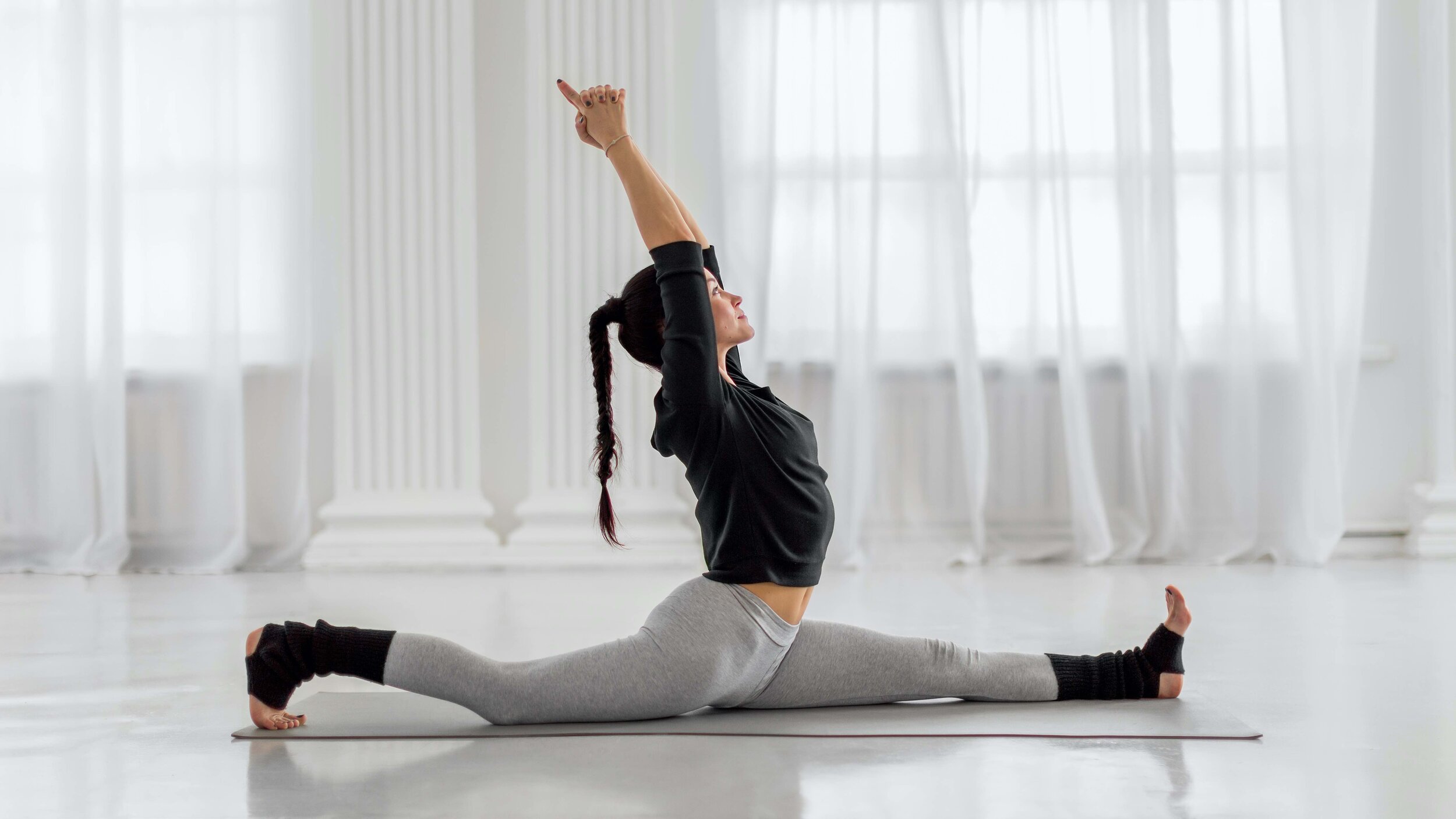
HANUMANASANA
(hah-new-mahn-AHS-anna)
Hanuman’s Pose. Literally hanuman means “having large jaws.” Hanuman is a well-known and venerated figure in Hindu mythology. He’s the semi-divine chief of an army of monkey warriors, allied with the hero Rama in India’s great epic, the Ramayana. He’s the son of the wind god, Vayu (or Pavana).
It was the greatest leap ever taken. The speed of Hanuman’s jump pulled blossoms and flowers into the air after him and they fell like little stars on the waving treetops. The animals on the beach had never seen such a thing; they cheered Hanuman, then the air burned from his passage, and red clouds flamed over the sky. (from the Ramayana, retold by William Buck).
This pose then, in which the legs are split forward and back, mimics Hanuman’s famous leap from the southern tip of India to the island of Sri Lanka.
Practice this pose on a bare floor (without a sticky mat) with folded blankets under the back knee and front heel. You might also have a block or bolster within reach. Be careful though, this isn’t a pose to warm up with.
1. Kneel on the floor between the blankets. Step your right foot forward about a foot in front of your left knee, and turn the foot slightly out to the right. Then lift the sole away from the floor and rest the foot more on the outer heel. This will turn your right thigh outwardly.
2. Exhale and lean your torso forward, pressing your fingertips to the floor. Slowly slide your left knee back, straightening the knee and descending the front thigh toward the floor. Stop moving the knee a little before you reach the limit of your stretch.
3. Now begin to push the right heel away from your torso. Go slowly at first, gradually turning the leg inward as the knee straightens (but keep the outer hip releasing toward the floor). At some point you’ll be back on the back of the right heel. As the front leg straightens, resume pressing the left knee back, and carefully descend the front of the left leg and the back of the right leg (and the base of the pelvis) to the floor. Make sure the center of the right knee points directly up toward the ceiling.
4. Also check to see that the back leg extends straight out of the hip (and isn’t angled out to the left side), and that the center of the back knee cap is pressing directly on the floor. Keep the forward leg active by extending through the back of the heel and lifting the ball of the foot toward the ceiling. Bring the hands into Anjali Mudra or stretch the arms straight up toward the ceiling.
5. Stay in this pose for 30 seconds to a minute. To come out press your hands to the floor, turn the front leg out slightly, and slowly return the front heel and the back knee to their starting positions. Then reverse the legs and repeat for the same length of time.
- Benefits
Stretches the thighs, hamstrings, groins
- Contraindications
Groin or hamstring injuries
- Modifications & Props: Either because of tightness in the backs of the legs or front groins, many students just beginning to learn this pose are often unable to get the legs and pelvis down on the floor. While in the starting leg position then (as described in step 1 above), place a thick bolster below the pelvis (with its long axis perpendicular to your inner legs). As you straighten the legs, slowly release your pelvis down onto the bolster. If the bolster isn’t thick enough to comfortable support your pelvis, add a thickly folded blanket.
- Preparatory Asanas
Baddha Konasana
Janu Sirsasana
Paschimottanasana
Prasarita Padottanasana
Supta Virasana
Supta Baddha Konasana
Supta Padangustasana
Upavistha Konasana
Urdhva Prasarita Padasana
Uttanasana
Virasana
- Beginners Tip: To increase the length of the torso and spine, press the back foot actively into the floor and, from this pressure, lift the shoulder blades firmly into your back.
- Advanced Tip: The arms are raised overhead from the “trigger” of the lower back ribs. Take the back ribs away from the top of the pelvis, and use this lift to reach the arms closer to the ceiling. Lengthen along the backs of the arms, stretching your pinkies a little closer to the ceiling than the index fingers. Then pin the fingertips against the ceiling and release or “hang” the ribs from the arms. Yo-yo the ribs between the arms and the pelvis: relative to the pelvis, the ribs lift, boosting the arms closer to the ceiling; relative to the arms, the ribs drop toward the floor, increasing the stretch in the armpits.
Useless Worrying
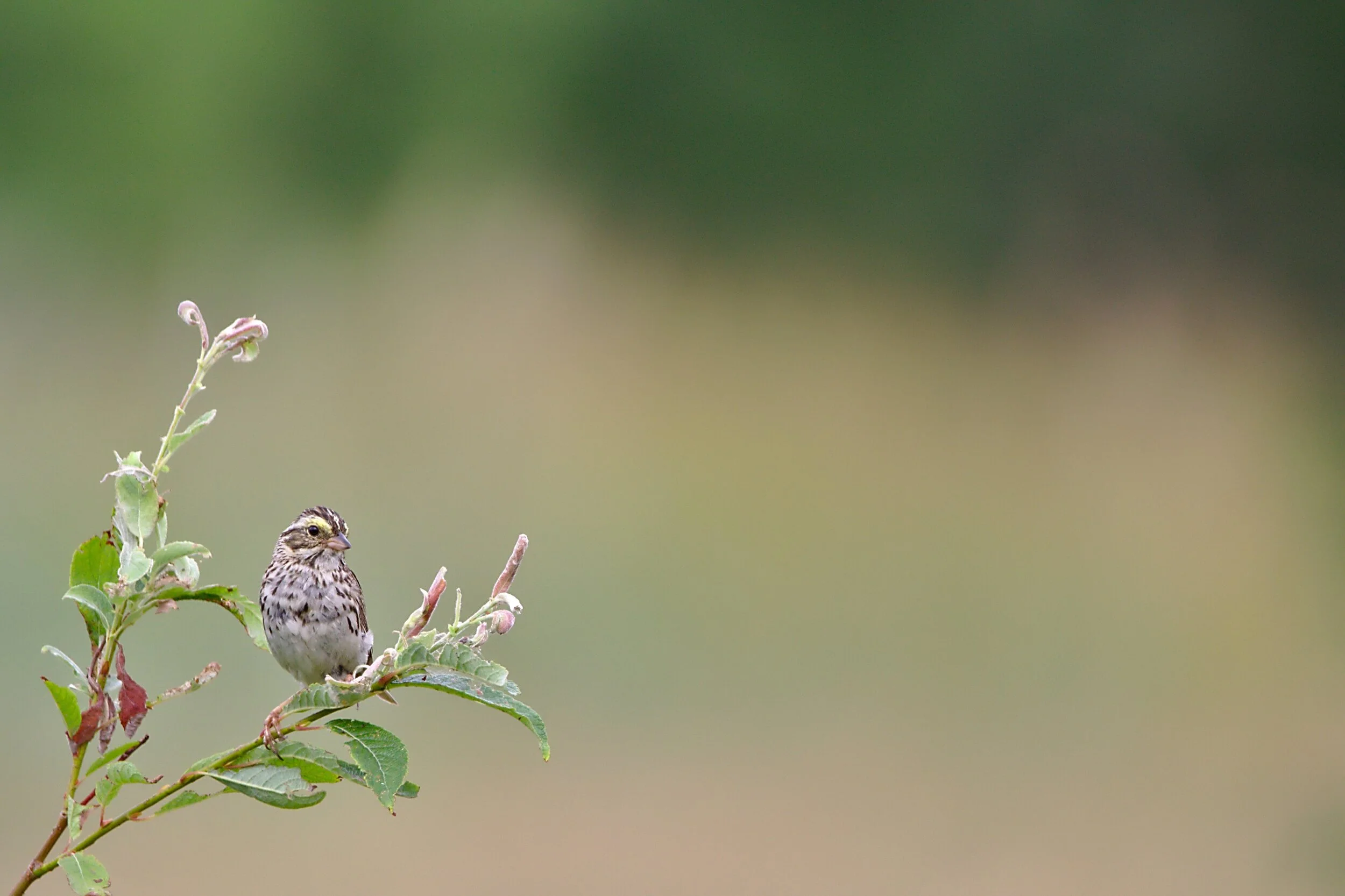
Photo by Benoit Gauzere on Unsplash
This lovely poem encourages us to go outside and sing. Don’t worry how it sounds. Don’t worry if the garden grows, if you might get rheumatism. Just go outside and sing!
Enjoy it…Mary Oliver’s lovely prose about the uselessness of worrying……
I Worried
by Mary Oliver
I worried a lot.
Will the garden grow, will the rivers
flow in the right direction, willl the earth turn
as it was taught , and if not, how shall
I correct it?
Was I right, was I wrong, will I be forgiven,
can I do better?
Will I ever be able to sing, even the sparrows
can do it and I am, well,
hopeless.
Is my eyesight fading or am I just imagining it,
am i going to get rheumatism,
lockjaw, dementia?
Finally I saw that worrying had come to nothing,
And gave it up. And took my old body
and went out into the morning,
and sang.
Our Blog
Check out the latest Articles: